


 English
 中文简体
 русский
 Español
 Français
 عربى
 Português
 हिंदी
 Indonesia
 فارسی
 Tiếng Việt
 Türk



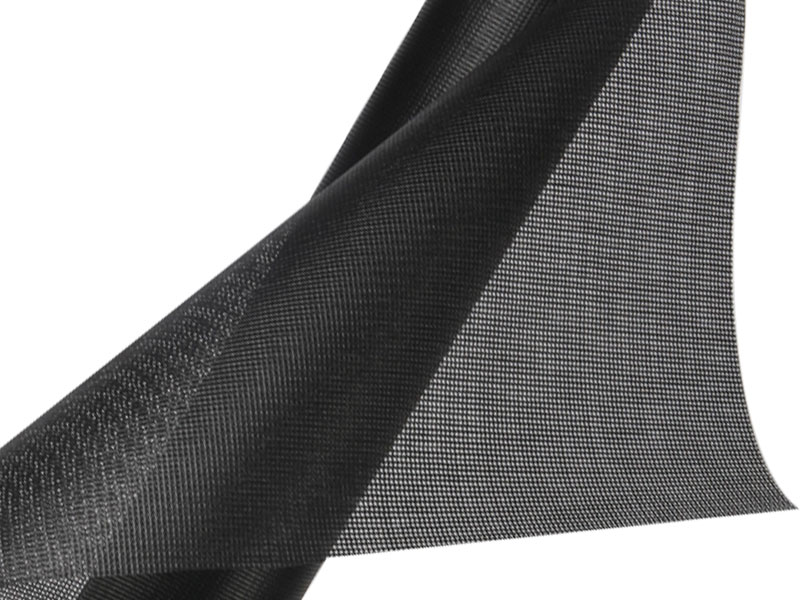
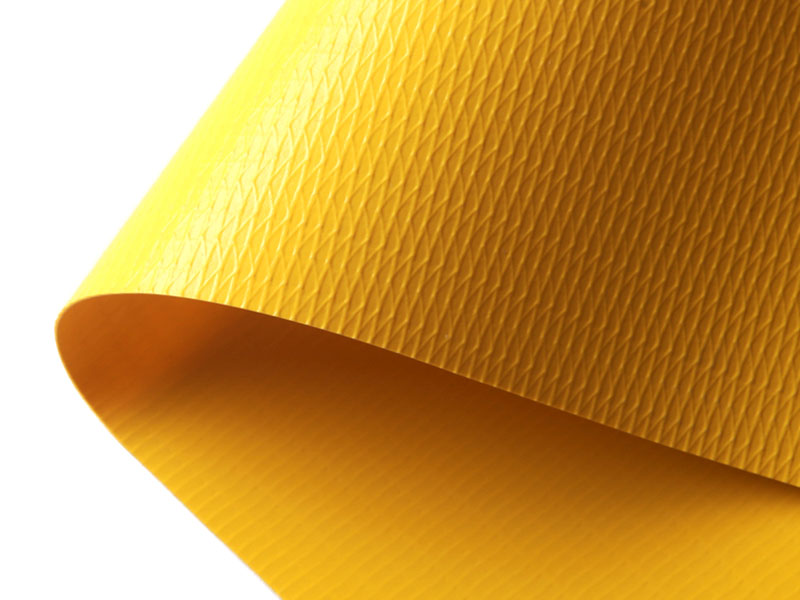
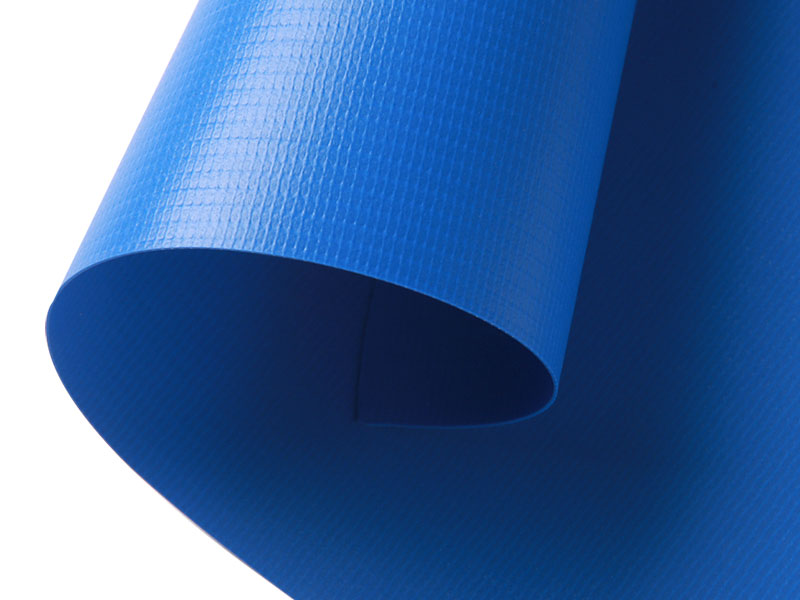
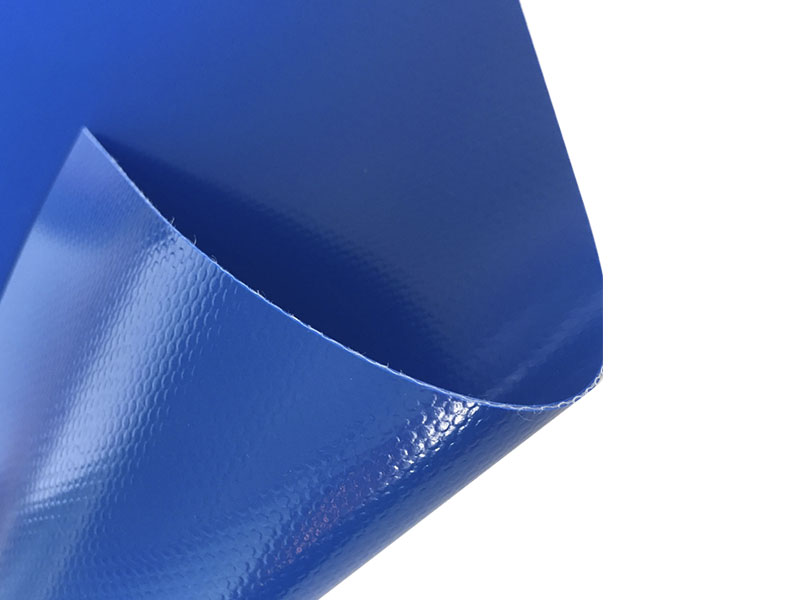
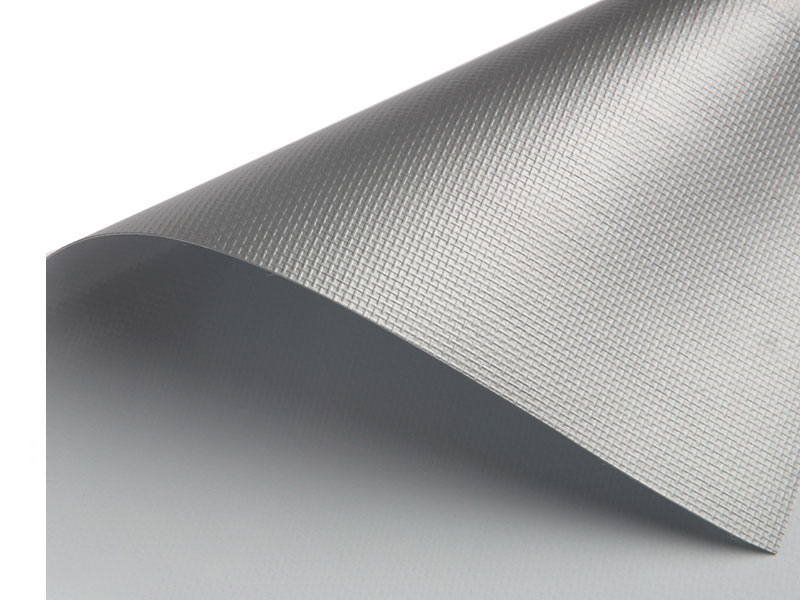
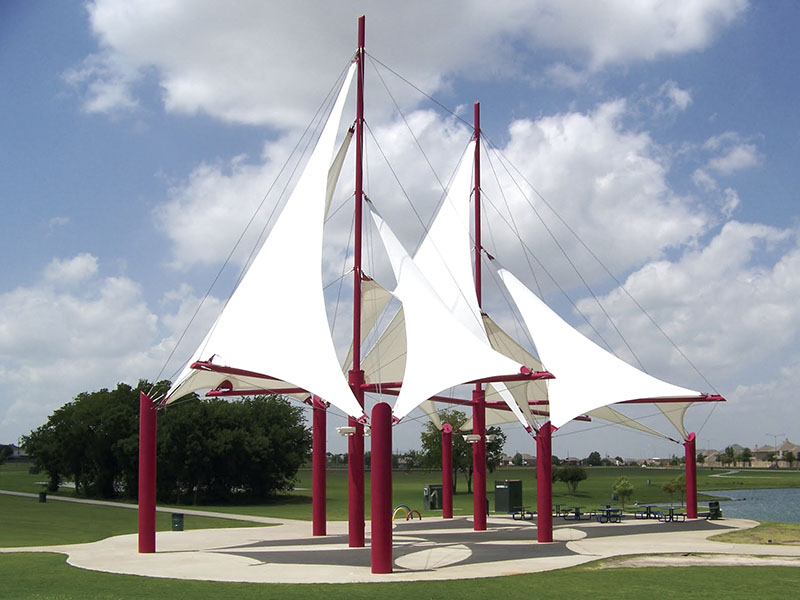
PVC Advertising Printing Industry Materials Fabric
PVC Advertising Printing Industry Materials Fabric is a flexible coated textile material developed for large-format advertising, digital printing, promotional displays, and commercial graphic applications. It generally consists of a textile base fabric combined with a polyvinyl chloride (PVC) coating or laminated surface, providing a printable substrate with structural support and surface protection.
Depending on its construction and surface treatment, PVC printing fabric can be used for indoor and outdoor advertising graphics, exhibition displays, promotional banners, building advertisements, and other visual communication projects. Its flexible construction allows the material to be processed into different formats for printing, cutting, welding, and installation. For advertising material distributors, printing companies, and project contractors, product selection involves evaluating print compatibility, fabric construction, dimensional requirements, and intended service conditions.
Core Advantages
Printable PVC Surface
The PVC surface provides a substrate for compatible digital printing processes. Surface finish and coating formulation can be selected according to printing equipment, ink systems, and graphic requirements.
Flexible Fabric Construction
The textile reinforcement supports material handling and fabrication. Its flexible structure allows printed fabric to be converted into banners, display panels, and other advertising formats.
Multiple Application Formats
Different fabric constructions and surface specifications can serve indoor displays, outdoor advertising, exhibition graphics, and commercial promotional projects.
Processing Compatibility
Depending on the material construction, PVC printing fabric can be processed through cutting, edge finishing, heat welding, sewing, and other fabrication methods.
Specification Flexibility
Material thickness, fabric weight, width, surface finish, and other product specifications can be evaluated for adjustment according to the requirements of different advertising projects.
Bulk Supply Requirements
Roll-based material formats are suitable for commercial printing operations and distribution channels that require consistent specifications across production batches and repeat orders.
Product Features
PVC Coated or Laminated Surface
The material uses a PVC-based surface layer combined with a textile substrate. The specific construction depends on the selected product type and manufacturing process.
Textile Base Reinforcement
The base fabric provides structural support for the coated material. Fabric composition, yarn arrangement, and construction influence handling and mechanical characteristics.
Printing Surface Characteristics
Surface finish, coating properties, and material formulation affect ink adhesion, color reproduction, and printing compatibility. Testing with the intended ink system is recommended before mass production.
Flexible Roll Format
Roll-form material supports continuous feeding, large-format printing, storage, and subsequent fabrication. Available roll dimensions should be confirmed according to the production requirements.
Surface Finish Options
Surface treatments may include different gloss levels and textures, depending on the product range. The finish should be selected according to the intended display environment and visual requirements.
Fabrication Adaptability
Depending on the coating and substrate structure, the material may support cutting, welding, sewing, or edge reinforcement for finished advertising products.
Specification-Based Selection
Weight, thickness, width, base fabric construction, and coating characteristics are important parameters for matching the material to different printing and installation requirements.
Application-Oriented Construction
Material configurations can be selected according to indoor or outdoor use, display dimensions, installation methods, and expected exposure conditions.
Applications
Large-Format Advertising Banners
PVC printing fabric is used to produce promotional banners, advertising backdrops, and large graphic displays. Printing companies select suitable fabric specifications according to banner dimensions, printing methods, and installation conditions.
Outdoor Commercial Advertising
Printed PVC fabric can be fabricated into outdoor advertising graphics for commercial buildings, retail promotions, and public display locations. Material selection should account for weather exposure, mounting methods, and project duration.
Exhibition and Event Displays
Exhibition organizers and display manufacturers use printed PVC materials for event backdrops, promotional panels, and temporary visual communication structures. Flexible material formats simplify transportation and on-site installation.
Retail and Point-of-Sale Graphics
Retail display manufacturers and advertising agencies use PVC printing fabric for promotional graphics, campaign banners, and in-store visual displays that require customized dimensions and printed designs.
Printing and Signage Production
Commercial printing facilities process PVC fabric into finished advertising materials for their customers. Printable surface characteristics, roll width, and compatibility with printing equipment are important purchasing considerations.
Advertising Material Distribution
Distributors and importers purchase PVC printing fabric in rolls for regional printing businesses, signage manufacturers, and advertising material suppliers. Consistent specifications are important for inventory management and repeat purchasing.
Manufacturing & Supply Capabilities
The manufacturing requirements for PVC advertising printing fabric involve textile substrate selection, PVC coating or lamination, surface finishing, and finished-roll inspection. The specific production route depends on the material structure and product specification.
Base Fabric Selection
Textile substrate specifications are determined according to the required material construction, intended application, and mechanical requirements.
PVC Coating or Lamination
The PVC surface layer is formed through the applicable coating or lamination process. Formulation and processing conditions influence the finished material characteristics.
Surface and Specification Control
Product specifications such as surface finish, thickness, weight, and width are controlled according to the agreed production requirements.
Finished Material Inspection
Inspection items may include visual appearance, dimensional consistency, coating uniformity, and other agreed quality criteria.
Roll Processing and Packaging
Finished fabric is prepared in roll formats according to confirmed dimensions and packaging requirements for storage, transportation, and distribution.
Customized Production and Order Coordination
For B2B orders, specifications can be discussed according to the intended printing process, application environment, and downstream fabrication requirements. Parameters such as fabric weight, thickness, roll width, surface finish, and packaging configuration should be confirmed before production. Production capacity, available processing methods, minimum order quantities, and lead times require confirmation based on the specific order.
B2B Buyer Considerations
Printing Equipment Compatibility
Confirm whether the PVC surface is suitable for the intended printing technology and ink system. A printing test can help evaluate ink adhesion, drying behavior, and final graphic appearance.
Material Specifications
Compare fabric weight, thickness, roll width, substrate construction, and surface finish. These parameters affect material handling, fabrication, and suitability for the intended application.
Indoor or Outdoor Requirements
Clarify the installation environment, expected exposure conditions, and project duration. Outdoor applications may require additional evaluation of weather resistance and installation conditions.
Sample and Quality Evaluation
Before placing a bulk order, buyers can evaluate available samples for surface consistency, print results, dimensions, and compatibility with downstream processing.
Bulk Orders and Delivery Planning
Confirm MOQ, production lead time, roll quantity, packaging, and shipping arrangements with the supplier. These details are important for distributors and printing businesses managing ongoing orders.
Repeat Order Consistency
For long-term purchasing, maintain agreed specifications and reference samples. Consistent material requirements help reduce differences between production batches and support inventory planning.
Frequently Asked Questions
What is PVC advertising printing fabric?
PVC advertising printing fabric is a flexible printable material generally made from a textile base combined with a PVC coating or laminated layer. It is used to produce advertising banners, commercial graphics, exhibition displays, and other large-format printed materials.
Which printing methods are compatible with PVC printing fabric?
Compatibility depends on the surface treatment, coating formulation, and specific material construction. Different PVC printing materials may be designed for different digital printing systems. Buyers should confirm compatibility with their printer and ink system and conduct a sample printing test before bulk production.
How do I select the appropriate PVC fabric for advertising projects?
Selection should consider the intended printing method, indoor or outdoor application, required display dimensions, installation method, and expected exposure conditions. Fabric weight, thickness, surface finish, and substrate construction should also be evaluated against the project requirements.
Can PVC advertising printing fabric be customized?
Product specifications may be adjusted according to the manufacturer's available production processes. Potential customization parameters include material thickness, fabric weight, roll width, surface finish, and packaging configuration. Buyers should provide their technical specifications for production feasibility assessment.
What quality factors should be checked before purchasing PVC printing fabric?
Important inspection factors include material thickness, weight consistency, roll width, surface appearance, coating uniformity, and dimensional consistency. Printing companies should also evaluate ink adhesion and printed graphic performance using their actual printing equipment.
Can PVC printing fabric be used for outdoor advertising?
Selected PVC printing fabrics can be used for outdoor advertising applications. However, outdoor suitability depends on the material formulation, coating structure, printing system, installation method, and exposure conditions. Buyers should confirm the relevant weather-resistance requirements before ordering.
What information is needed to request a bulk quotation?
Buyers should provide the required fabric type, thickness, weight, roll width, surface finish, order quantity, application, and destination market. Printing equipment requirements and packaging preferences can also help suppliers assess the appropriate specification and quotation details.
What affects the production lead time of PVC advertising fabric?
Production lead time may depend on material availability, substrate specifications, coating or lamination requirements, order quantity, customization, and current production scheduling. Buyers should confirm the delivery schedule with the supplier before placing an order.