

 English
 中文简体
 русский
 Español
 Français
 عربى
 Português
 हिंदी
 Indonesia
 فارسی
 Tiếng Việt
 Türk



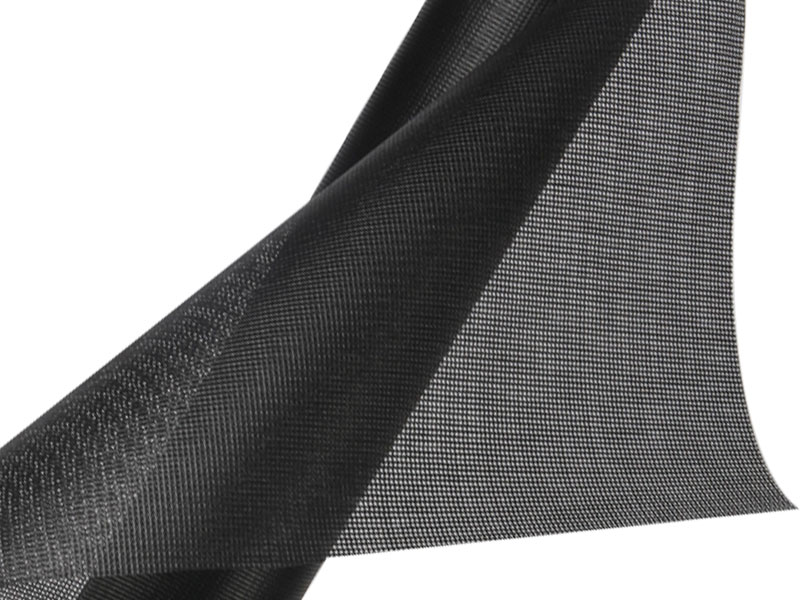
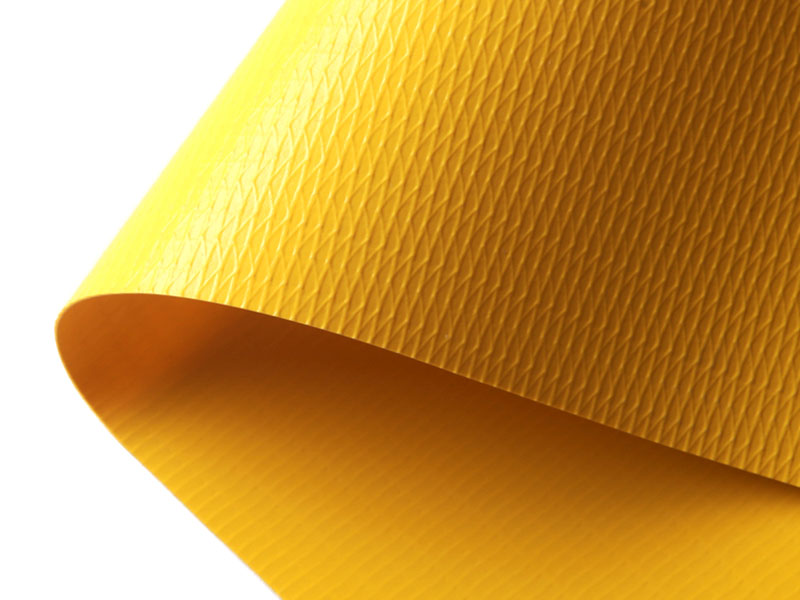
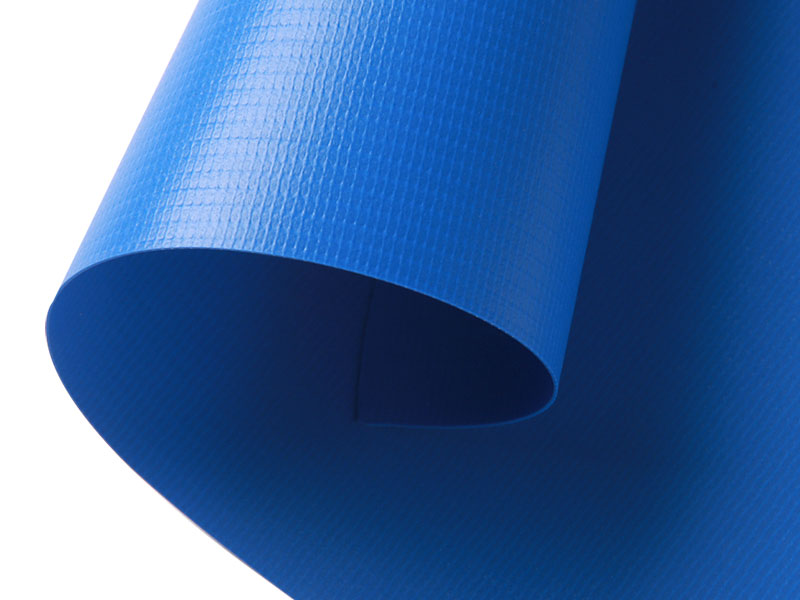
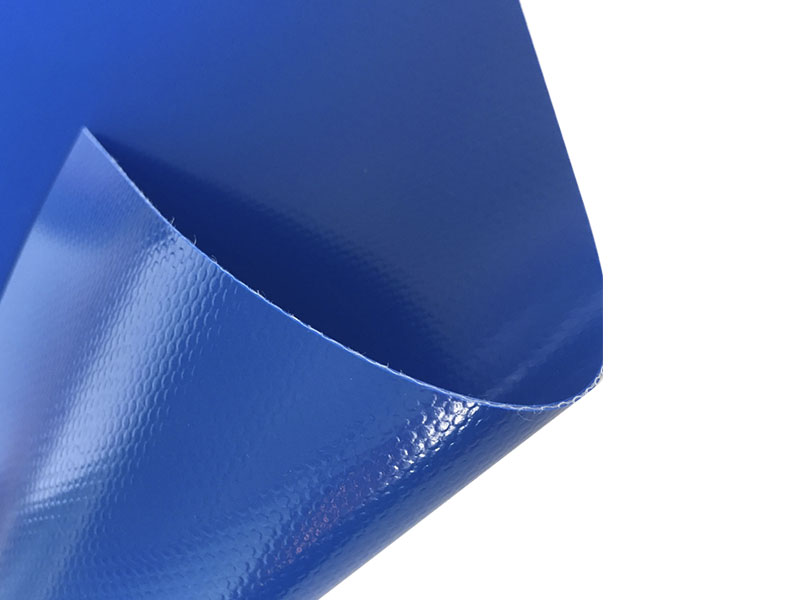
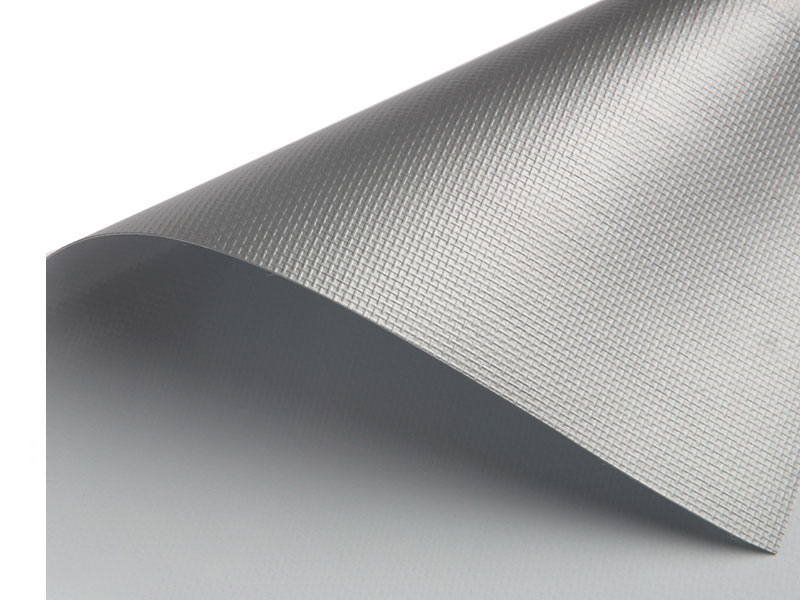
UV-Stable Outdoor PVC Fabric
PVC-coated textile material developed for outdoor covering, protective structures, and applications requiring resistance to sunlight exposure and changing weather conditions.
Formulation and fabric construction can be adjusted to meet different environmental and fabrication requirements.
Designed for Outdoor Fabric Applications
UV-Stable Outdoor PVC Fabric combines a textile base with a PVC coating or laminated surface. The textile structure contributes tensile and tear strength, while the PVC layer provides a protective finish for outdoor use. UV stabilizers can be incorporated into the PVC formulation to help reduce degradation caused by prolonged sunlight exposure.
The material can be produced in different weights, widths, thicknesses, colors, and surface finishes. Its final performance depends on the base fabric, coating formulation, manufacturing process, and exposure conditions. These factors should be evaluated together when selecting fabric for a specific outdoor project.
What Determines Outdoor Performance?
UV stability is one part of the material specification. The complete fabric construction also affects strength, flexibility, and long-term performance.
UV Stabilization
UV stabilizers in the PVC compound help slow sunlight-related aging. Formulation selection should reflect the expected exposure intensity and testing requirements.
Formulation-dependent performanceTextile Base Strength
Yarn type, fabric density, and construction influence tensile strength, tear resistance, and dimensional stability.
Base fabric specificationCoating Integrity
Coating adhesion, thickness, and surface consistency affect the integrity of the finished PVC-coated textile.
Coating process controlEnvironmental Exposure
Temperature changes, moisture, sunlight intensity, and installation conditions influence actual outdoor service performance.
Project-specific conditionsThe bars above are illustrative visual indicators, not measured test results or product performance ratings.
Where the Material Is Used
Different fabric constructions can be selected according to the physical demands and fabrication methods of each application.
Outdoor Equipment Covers
Protection for exposed machinery and toolsFlexible covering material for equipment stored or operated in outdoor environments.
Awnings & Shade Systems
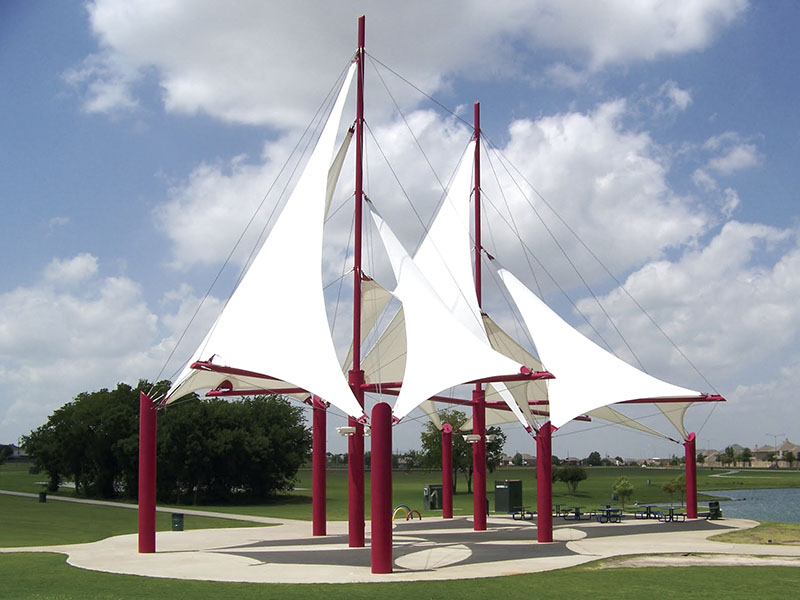
Outdoor shading and retractable structuresCoated fabric for selected awning systems and outdoor shade installations.
Temporary Shelters
Portable structures and enclosuresFlexible material for temporary shelters and weather-protection structures.
Vehicle & Cargo Covers
Transport and exposed cargo protectionMaterial for selected trailer covers, transport covers, and cargo protection systems.
Industrial Curtains
Flexible partitions and protective barriersCoated textile for industrial areas requiring flexible separation or environmental protection.
Configure the Fabric for Your Project
Define the intended application and performance requirements before confirming the material construction.
Material Construction
Textile base, yarn type, fabric density, and PVC coating structure.
Physical Dimensions
Fabric weight, thickness, roll width, and required roll length.
Surface and Appearance
Color, gloss level, matte finish, embossing, and surface texture.
Performance Requirements
UV weathering, tensile strength, tear resistance, and coating adhesion.
Performance Checks for Outdoor PVC Fabric
A consistent inspection plan helps buyers evaluate material suitability and batch-to-batch production consistency.
Laboratory test results should be interpreted according to the selected test standard. They do not establish a universal outdoor service life.
Frequently Asked Questions
Material selection and purchasing considerations for outdoor PVC fabric.
01 What makes PVC fabric suitable for outdoor applications?
The PVC coating provides a protective surface, while the textile base contributes mechanical strength. With an appropriate formulation, the material can also be designed for improved resistance to UV exposure and outdoor weathering.
02 Does UV-stable PVC fabric prevent fading?
UV stabilizers can help reduce sunlight-related degradation, but they do not guarantee that fading will never occur. Color retention depends on pigments, PVC formulation, exposure intensity, and environmental conditions.
03 Can UV resistance be adjusted for different projects?
The PVC formulation and stabilizer system can be selected according to the intended application. Buyers should specify expected exposure conditions and required testing standards before production.
04 What tests should buyers request?
Common evaluation items include UV weathering, tensile strength, tear resistance, coating adhesion, and dimensional stability. Test methods and acceptance criteria should be agreed upon before ordering.
05 Can fabric dimensions and surface finishes be customized?
Fabric weight, width, thickness, color, and surface finish can generally be adjusted according to manufacturing capabilities and project requirements. Final specifications should be confirmed before sampling and bulk production.