

 English
 中文简体
 русский
 Español
 Français
 عربى
 Português
 हिंदी
 Indonesia
 فارسی
 Tiếng Việt
 Türk



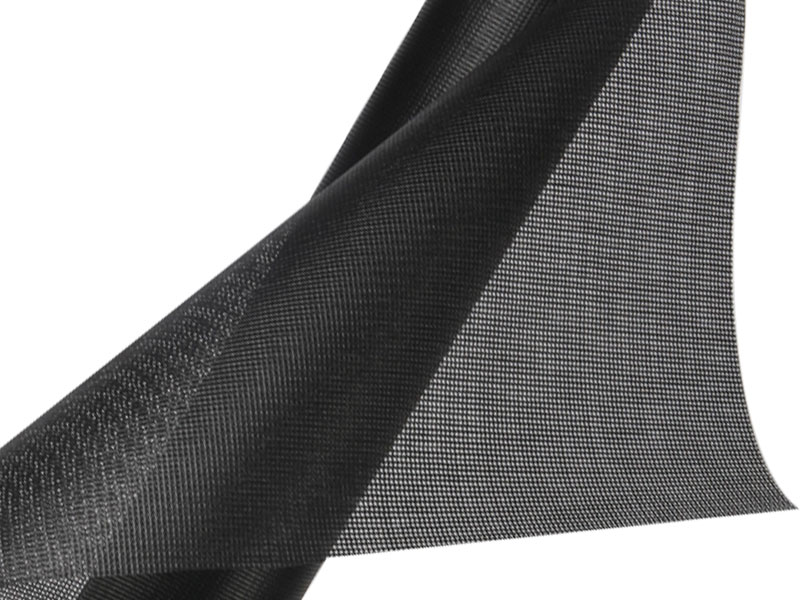
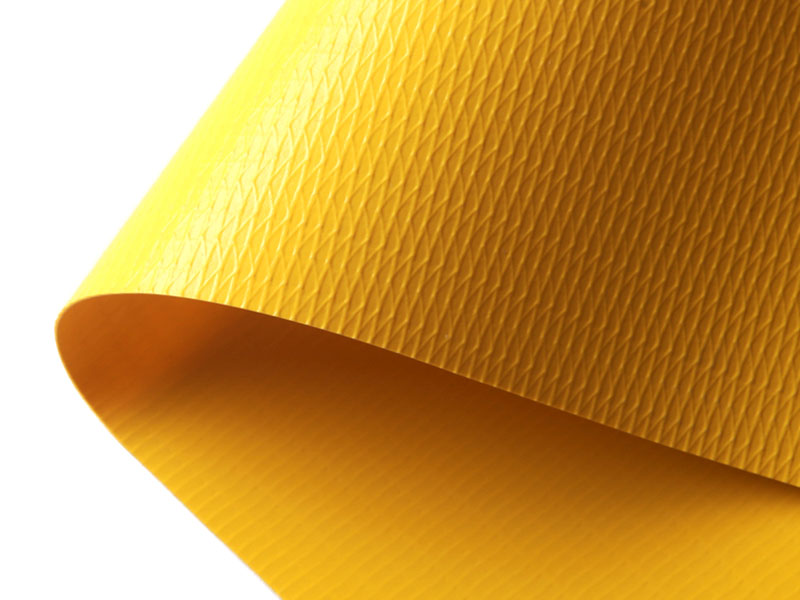
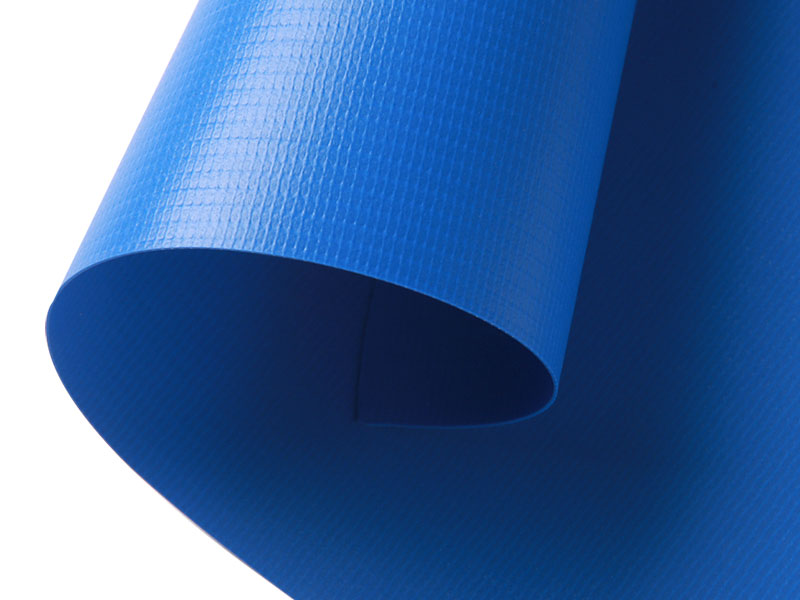
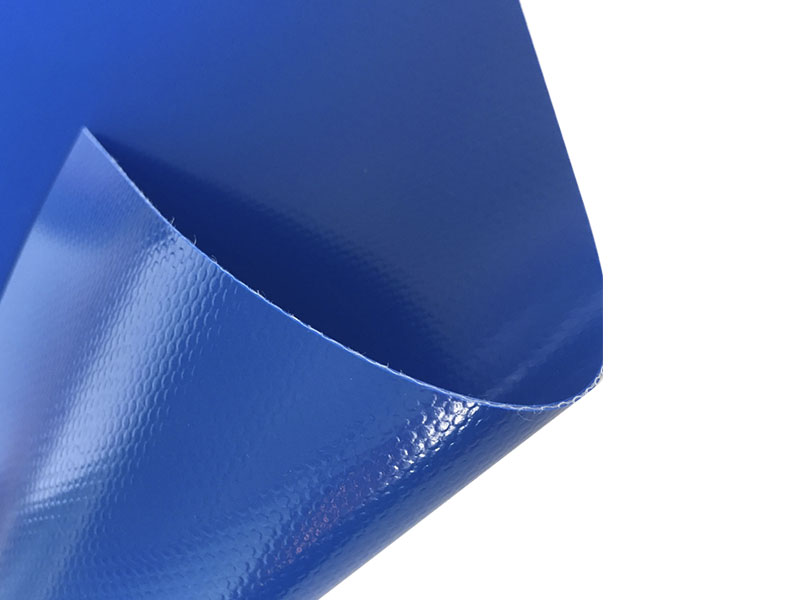
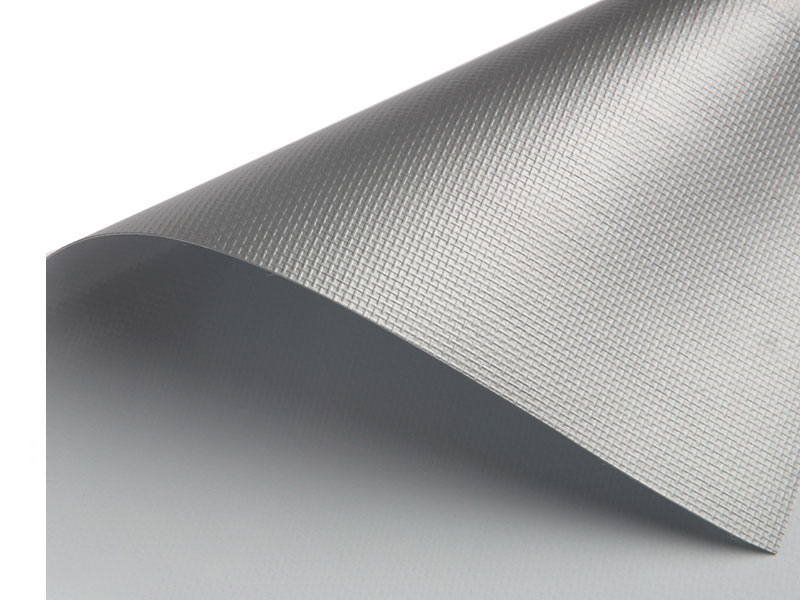
Eco-Friendly Decorative PVC Fabric
Eco-Friendly Decorative PVC Fabric is developed for interior decoration and surface covering applications where visual appearance, material performance, and environmental considerations all matter. Its PVC-based construction provides a flexible surface for decorative finishes, patterns, and colors, while the fabric structure supports handling and installation in different applications.
Material formulations, surface treatments, thicknesses, and fabric constructions can be selected according to the intended use. For buyers evaluating environmentally considerate materials, formulation details and supporting compliance documents should be reviewed alongside durability, processing requirements, and finished-product performance.
Balancing Decorative Requirements and Material Selection
Environmental considerations for PVC decorative fabric depend on the complete material formulation, manufacturing process, and applicable product requirements. The term eco-friendly should therefore be supported by specific material information rather than treated as a universal performance claim.
For project sourcing, buyers can assess the PVC compound, plasticizer selection, restricted-substance requirements, surface treatment, and available test documentation. These details help determine whether a particular specification is suitable for the intended market and application.
Formulation Considerations
Material ingredients and additive selection can be discussed according to project requirements and applicable regulations.
Surface Appearance
Decorative effects can be selected to coordinate with interior finishes, furniture, and other surface materials.
Application-Based Specifications
Thickness, fabric construction, flexibility, and surface properties should match the processing and service conditions.
Decorative Finishes for Different Design Requirements
Surface appearance can be coordinated with the visual direction of a project. Final finish availability depends on the selected material construction and production specification.
Key Properties to Evaluate Before Selection
Performance varies with the PVC formulation, fabric substrate, coating structure, and finishing process. The following properties should be confirmed against the requirements of each application.
Flexibility
Fabric construction and coating composition influence bending behavior, handling, and suitability for different installation methods.
Surface Resistance
Resistance to abrasion, staining, and routine surface contact should be evaluated according to the expected use conditions.
Dimensional Consistency
Thickness, width, and roll consistency are relevant to downstream cutting, lamination, and installation processes.
Color Stability
Color retention and resistance to fading should be checked when the material will be exposed to light or frequent use.
Processing Compatibility
Bonding, cutting, sewing, or other fabrication requirements should be considered when selecting the fabric structure.
Environmental Documentation
Relevant declarations and test reports can help buyers verify restricted-substance and market-specific compliance requirements.
Where Decorative PVC Fabric Can Be Used
Depending on its construction and verified performance, decorative PVC fabric can be considered for a range of interior finishing and covering projects.
Interior Wall Decoration
Decorative wall covering systems and selected interior surface applications.
Furniture Surface Covering
Selected furniture panels, decorative components, and covering applications.
Interior Fit-Out Projects
Decorative materials used in commercial and residential interior finishing.
Decorative Product Manufacturing
Fabric-based decorative products requiring specified colors, patterns, or surface finishes.
Material Options for Project-Based Purchasing
Different applications require different combinations of substrate, PVC coating, surface appearance, and physical properties. Sharing the intended use and processing conditions helps define a suitable specification before sampling and bulk production.
| Specification | Items for Discussion | Purchasing Consideration |
|---|---|---|
| Fabric Construction | Base fabric type, structure, and weight | Handling and fabrication requirements |
| Material Thickness | Overall thickness and coating structure | Installation and end-use conditions |
| Surface Finish | Matte, glossy, textured, or printed options | Appearance and cleaning requirements |
| Color and Pattern | Available colors and customized designs | Project coordination and batch consistency |
| Environmental Requirements | Restricted substances and relevant documentation | Destination-market and project compliance |
| Roll Dimensions | Material width and roll length | Cutting efficiency and production planning |
Custom material configurations, colors, and surface treatments can be discussed according to production feasibility and order requirements.
Checks That Support Consistent Material Supply
For repeat orders and large-volume purchasing, inspection criteria should be defined before production. A documented specification helps align material appearance, physical properties, and delivery requirements across batches.
Visual InspectionReview surface defects, printing consistency, and visible color differences.
Dimensional InspectionCheck material thickness, width, and roll length against agreed specifications.
Physical TestingEvaluate relevant properties such as tensile behavior, adhesion, or abrasion resistance when required.
Documentation ReviewConfirm that applicable test reports and compliance documents correspond to the supplied material.
Frequently Asked Questions
Material selection, environmental requirements, and processing compatibility are common considerations when sourcing decorative PVC fabric.
What makes decorative PVC fabric eco-friendly?
Environmental characteristics depend on the formulation, additives, manufacturing processes, and applicable compliance requirements. Buyers should request relevant material declarations or test reports instead of relying on the product name alone.
Can the PVC formulation be adjusted for specific environmental requirements?
Formulation requirements can be discussed based on the target market and project specification. The feasibility of ingredient substitutions or restricted-substance requirements should be confirmed before sampling and production.
What surface finishes are available?
Potential options include matte, glossy, embossed, textured, printed, and solid-color finishes. Available designs depend on the production process and selected material construction.
Can decorative PVC fabric be customized?
Customization can be discussed for fabric construction, thickness, width, color, pattern, and surface treatment. Buyers should provide the intended application and required specifications for evaluation.
Which documents should buyers request?
Depending on the destination market and application, buyers may request material declarations, restricted-substance test reports, and relevant physical performance test results. Documentation should be checked against the exact supplied material and its formulation.
What information is needed for a bulk quotation?
Useful details include the intended application, fabric construction, thickness, width, finish, color, order quantity, roll dimensions, destination market, and any required environmental or testing standards.