

 English
 中文简体
 русский
 Español
 Français
 عربى
 Português
 हिंदी
 Indonesia
 فارسی
 Tiếng Việt
 Türk



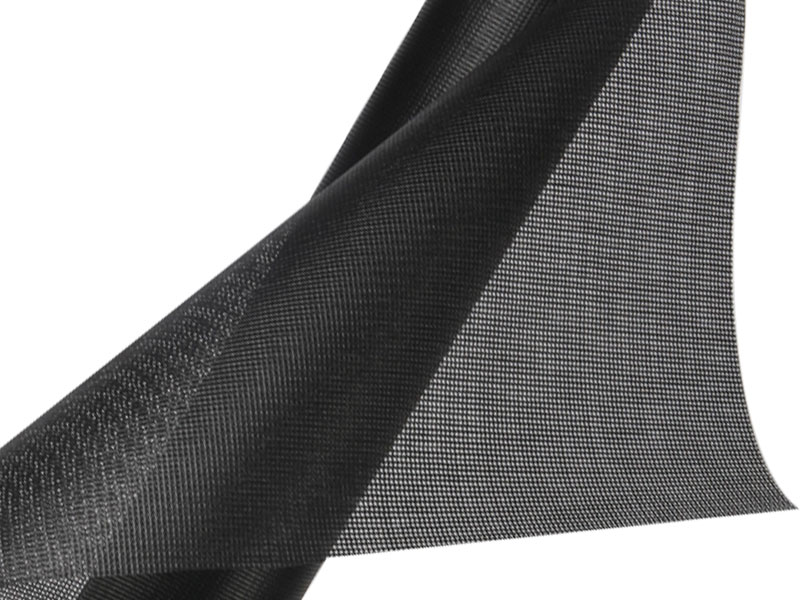
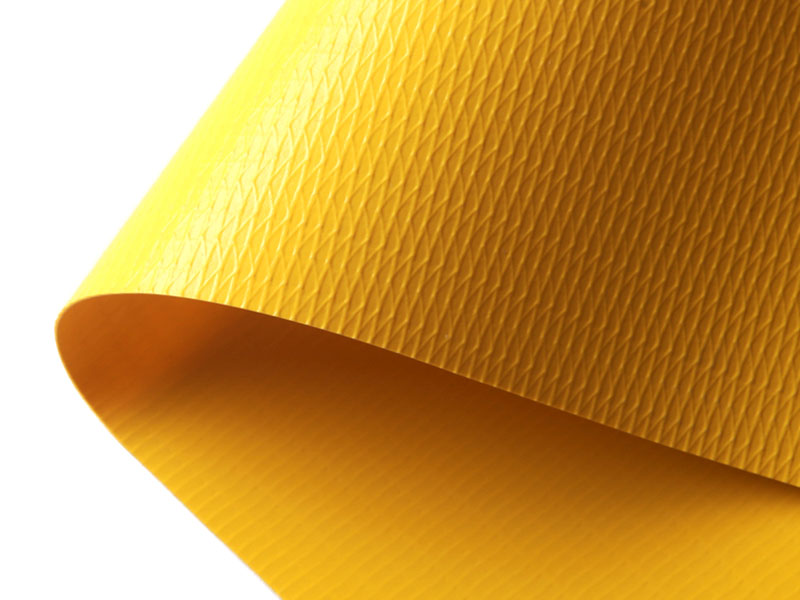
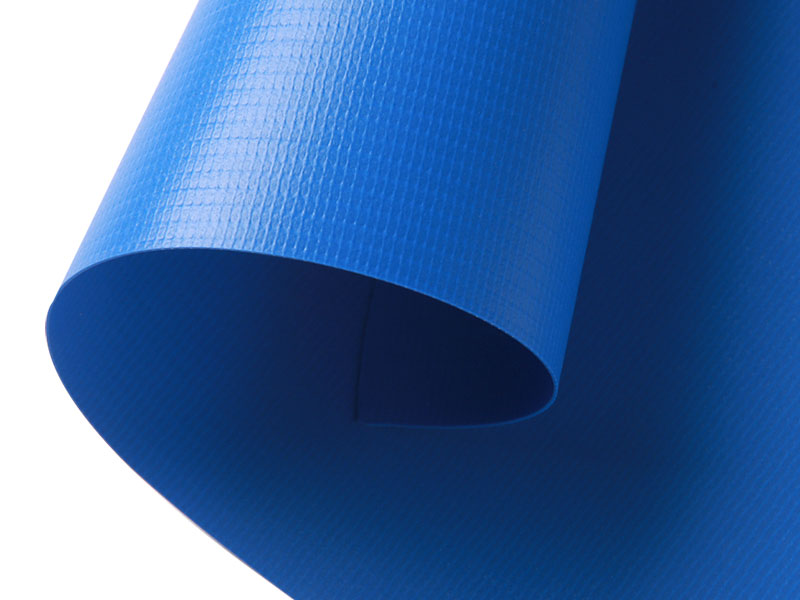
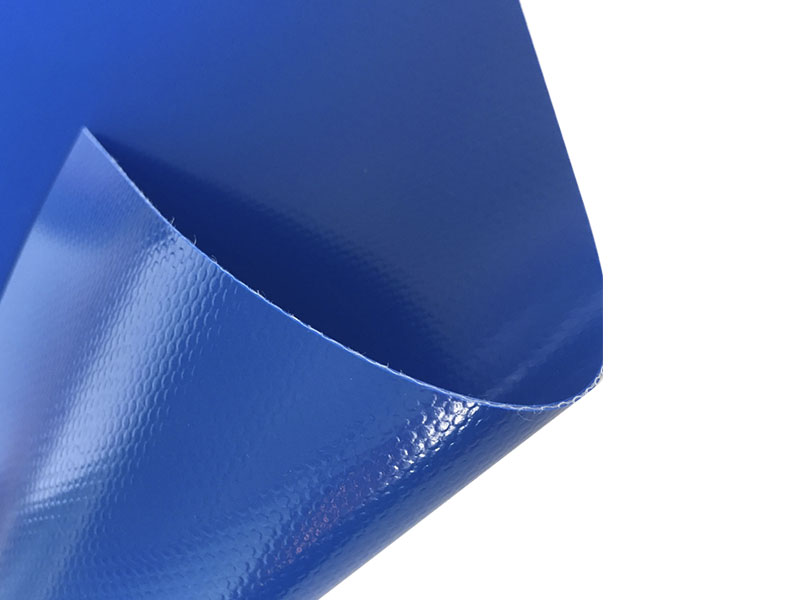
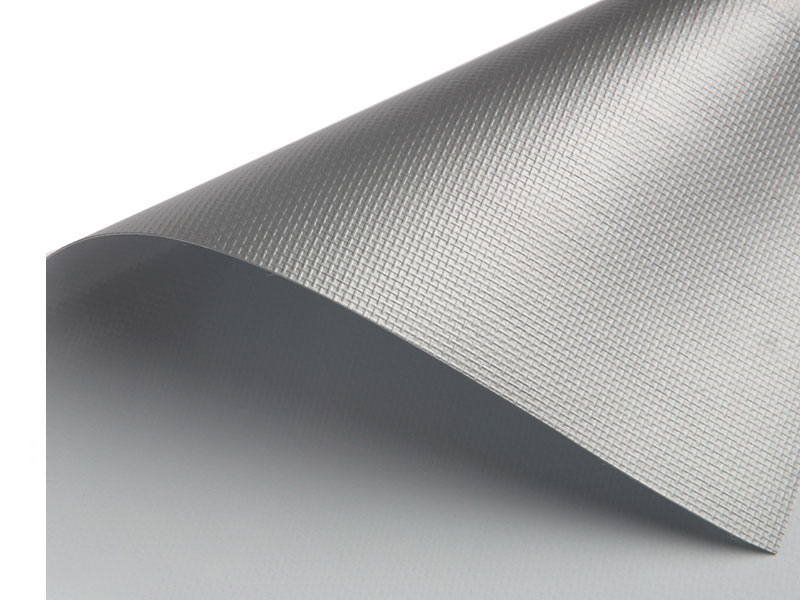
PVDF Self-Cleaning PVC Fabric
PVDF self-cleaning PVC fabric is a coated textile material designed for applications where surface maintenance, weather exposure, and long-term appearance are important considerations. The fabric combines a PVC-based coating system with a PVDF surface treatment or finish, depending on the product formulation and manufacturing process.
The PVDF surface layer can help reduce the adhesion of certain contaminants and make routine cleaning easier. Actual self-cleaning performance depends on surface formulation, fabric construction, exposure conditions, and maintenance practices. It should not be interpreted as a material that remains clean without environmental or manual cleaning.
Surface cleanliness, weather exposure, coating compatibility, and application-specific performance.
Fabric weight, base fabric, coating structure, surface treatment, and test requirements should be confirmed for each project.
How the PVDF Surface Treatment Works
PVDF is used as a fluoropolymer surface material in certain coated fabric systems. Its surface characteristics can help limit the attachment of some dirt and contaminants, supporting easier cleaning under suitable conditions.
Reduced Contaminant Adhesion
The surface finish may reduce the bonding of dust, airborne deposits, and some environmental contaminants compared with an untreated surface.
Cleaning Maintenance
Surface characteristics can make certain deposits easier to remove during routine washing, subject to the type of contamination and cleaning method.
Outdoor Exposure
PVDF-based finishes are selected for projects requiring specific surface durability. Weathering performance must be verified against the actual formulation and test conditions.
Appearance Retention
A suitable coating system can help maintain the intended surface appearance during service, depending on exposure, color, maintenance, and product specifications.
Fabric Structure and Coating Considerations
The performance of PVDF self-cleaning PVC fabric is determined by the complete material system rather than the surface finish alone. Base fabric selection, PVC coating formulation, coating thickness, and PVDF application all influence the final product.
Key construction factors
When evaluating a fabric specification, buyers should review the following components together to assess whether the material is suitable for the intended fabrication process and service environment.
Performance Properties to Check
A PVDF surface finish does not automatically establish the complete performance level of a PVC coated fabric. Buyers should request product-specific data and test reports for the properties relevant to their projects.
Contaminant type, cleaning procedure, water conditions, and comparative test results where available.
Bonding between the PVC coating and base fabric, as well as the adhesion and durability of the surface finish.
Warp and weft tensile values tested using an agreed method and specimen conditioning procedure.
Tear performance in both fabric directions under the specified test method.
UV exposure, temperature cycling, moisture exposure, and appearance changes under defined test conditions.
Compatibility with the intended welding, sewing, cutting, folding, or installation process.
Potential Applications of PVDF Self-Cleaning PVC Fabric
This material may be considered for coated-fabric projects where surface maintenance and outdoor exposure are relevant. Final suitability depends on the required mechanical properties, environmental conditions, fabrication method, and applicable project standards.
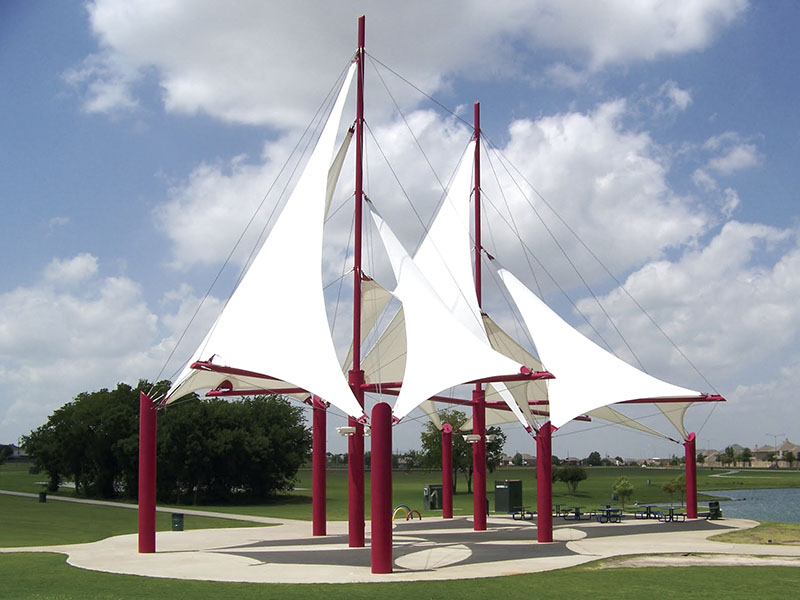
Architectural Membrane Structures
Fabric structures and membrane applications where surface appearance and periodic cleaning requirements are part of material selection.
Outdoor Canopies and Awnings
Shade and covering systems that require a coated textile suitable for the specified exposure and installation conditions.
Commercial Fabric Structures
Commercial covering projects where surface maintenance, color consistency, and fabrication compatibility are considered during procurement.
Industrial Outdoor Covers
Selected covering applications requiring defined coating, reinforcement, and environmental performance specifications.
Information to Confirm Before Ordering
Providing complete project requirements helps manufacturers evaluate the appropriate fabric construction and surface treatment. A product name alone is not sufficient to determine whether a material meets the intended service conditions.
Fabric Specifications
Required width, total weight, base fabric construction, coating thickness, and roll length.
Surface Requirements
PVDF finish type, color, gloss level, surface texture, and expected cleaning conditions.
Service Environment
Indoor or outdoor use, UV exposure, temperature range, humidity, pollution, and expected service conditions.
Processing Requirements
Welding or sewing method, equipment conditions, panel dimensions, and installation details.
Quality Inspection
Required test methods, acceptance criteria, inspection frequency, and documentation for each production batch.
Order Planning
Sample approval, trial order quantity, production volume, packaging, and delivery schedule.
Frequently Asked Questions
What does PVDF self-cleaning mean in PVC fabric?
It generally refers to a PVC coated fabric with a PVDF-based surface finish intended to reduce the adhesion of certain contaminants and support easier cleaning. The actual effect depends on the finish formulation, surface condition, and exposure environment.
Does PVDF self-cleaning PVC fabric require no maintenance?
No. The term self-cleaning describes a surface characteristic, not maintenance-free operation. Dust, oily deposits, biological growth, and other contaminants may still require manual cleaning according to the material supplier's recommendations.
Is PVDF coating the same as PVC coating?
No. PVC is commonly used as the main coating material in this type of textile, while PVDF refers to a fluoropolymer that may be used as a surface finish. The exact layer structure should be confirmed in the manufacturer's product specification.
Can this fabric be used for outdoor structures?
It may be suitable for selected outdoor applications, but the PVDF finish alone does not establish overall outdoor durability. Buyers should verify UV resistance, tensile and tear strength, coating adhesion, temperature performance, and other project-specific requirements.
Can the fabric be customized for different projects?
Depending on manufacturing capability, specifications may be adjusted for fabric width, weight, base fabric, coating construction, color, and surface finish. Required processing and performance conditions should be reviewed before sample approval and mass production.
What information should be included in a sample request?
Include the intended application, required width and weight, preferred color and surface appearance, outdoor exposure conditions, fabrication method, and any required test standards. These details help determine whether the proposed material matches the project requirements.