


 English
 中文简体
 русский
 Español
 Français
 عربى
 Português
 हिंदी
 Indonesia
 فارسی
 Tiếng Việt
 Türk



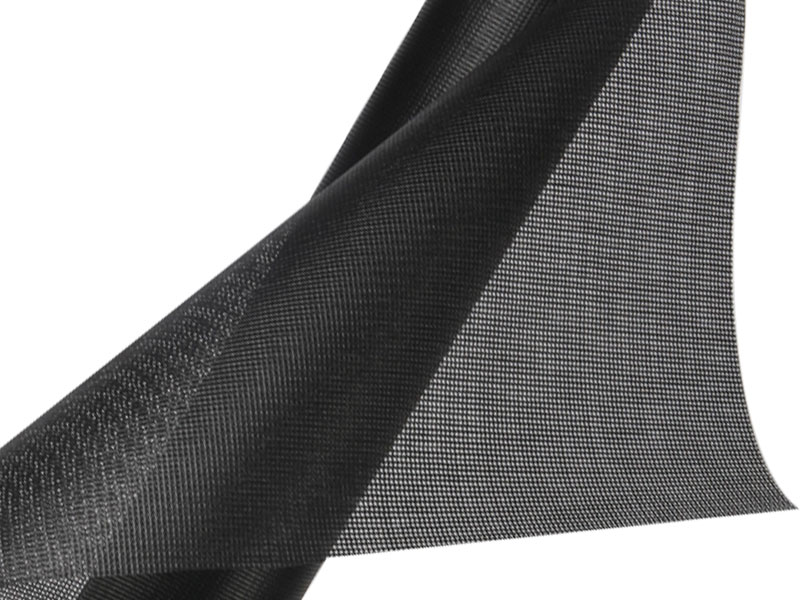
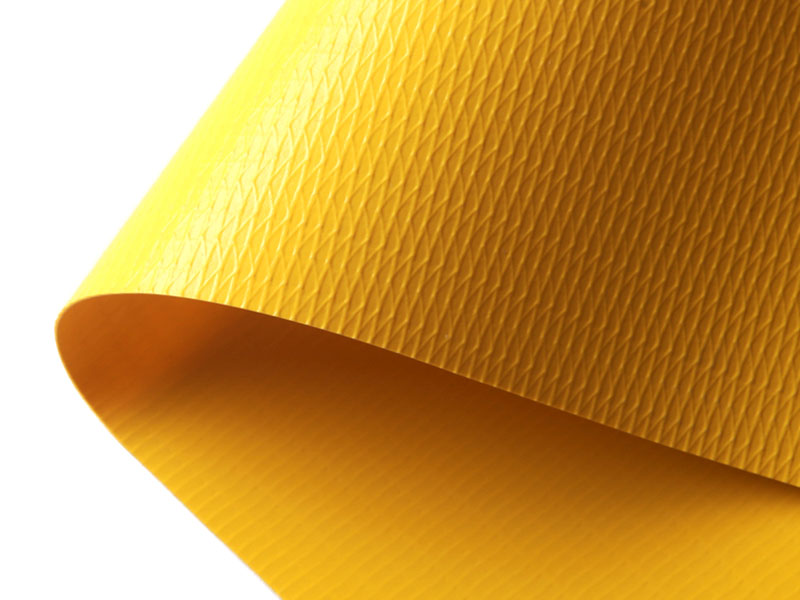
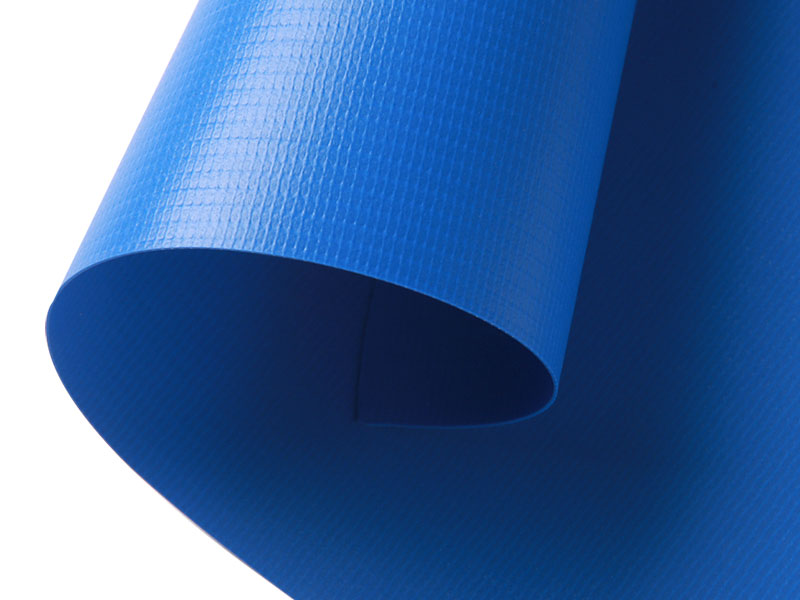
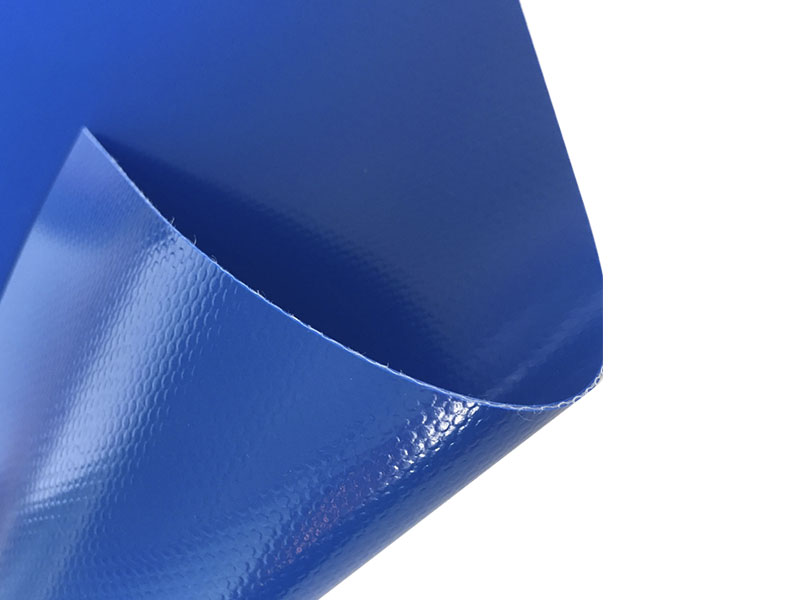
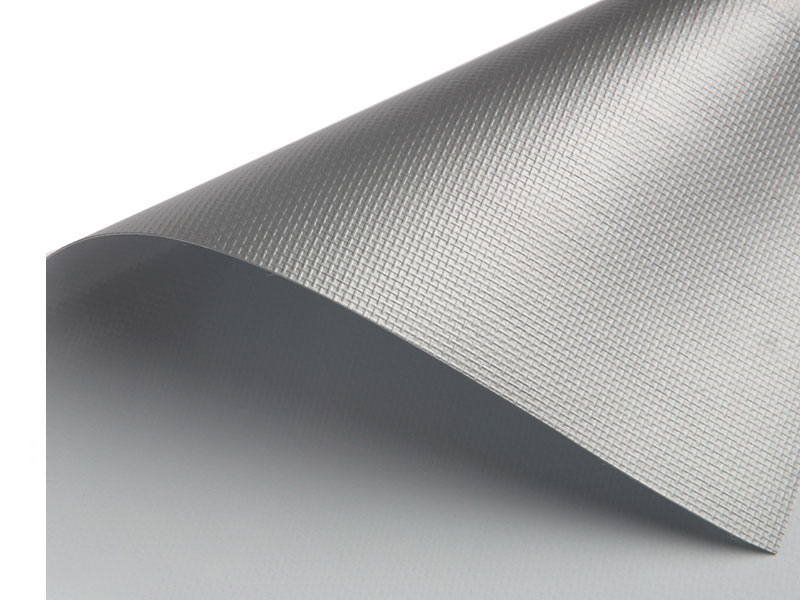

Cold Weather Resistant PVC Film
Cold Weather Resistant PVC Film is a flexible polyvinyl chloride film formulated to maintain its handling and functional properties under low-temperature conditions. It is used in applications where standard PVC film may become too stiff or more susceptible to cracking when exposed to cold environments.
Its low-temperature performance depends on the PVC resin, plasticizer system, additives, film thickness, and manufacturing process. Buyers should evaluate flexibility, cold-bend behavior, impact resistance, dimensional stability, and the intended operating temperature before selecting a specification. The required performance should be verified through agreed testing rather than inferred from the product description alone.
How PVC Film Is Formulated for Cold Environments
The low-temperature behavior of flexible PVC film is closely related to its formulation. Different components influence flexibility, processability, surface characteristics, and resistance to environmental conditions.
PVC Resin
PVC resin forms the polymer matrix of the film. Resin characteristics and processing conditions influence the film's basic mechanical properties and production consistency.
Plasticizer System
Plasticizers contribute to the flexibility of flexible PVC. Their type and concentration are important factors in determining how the film behaves when temperatures decrease.
Stabilizers and Functional Additives
Stabilizers and other additives may be incorporated to support processing stability and specific performance requirements. Selection depends on the intended application and relevant exposure conditions.
Film Thickness and Surface Finish
Thickness, surface treatment, and production conditions affect handling, appearance, forming behavior, and compatibility with downstream processing.
A low-temperature PVC formulation should be developed around a defined temperature range and application. Increasing flexibility alone does not establish resistance to cold cracking, aging, or other environmental stresses.
Key Properties for Cold Weather PVC Film
Cold-weather performance involves more than flexibility at room temperature. The following characteristics should be evaluated at the temperatures and conditions relevant to the finished application.
Test results depend on film formulation, thickness, specimen preparation, conditioning time, and test method. Buyers should specify these conditions when comparing different PVC film suppliers.
Applications Requiring PVC Film for Low Temperatures
Cold weather resistant PVC film can be considered for products that require flexible film materials in refrigerated, outdoor, or seasonally cold environments. The selected grade must match the actual operating temperature and mechanical requirements.
Outdoor Protective Covers
Flexible covering components used in outdoor equipment protection and temporary enclosures where cold-weather handling is required.
Refrigerated Enclosures
Selected film components for refrigerated spaces or cold-storage environments, subject to temperature, cleaning, and mechanical requirements.
Flexible Industrial Components
Film parts used in industrial products that may experience low ambient temperatures during storage, transport, or operation.
Automotive Interior and Protective Parts
Selected flexible film components for vehicle-related applications where cold-temperature flexibility and surface requirements must be considered.
Flexible Covers and Curtains
PVC film used in curtain-like or flexible partition products that require repeated movement under cooler operating conditions.
Packaging and Protective Film Components
Certain flexible packaging or protective applications where the film must retain suitable handling characteristics during cold storage or distribution.
Define the Required Operating Temperature
The term cold weather resistant does not represent one universal temperature rating. Different applications require different levels of flexibility and resistance to cracking.
Buyers should distinguish between the minimum temperature during transportation, temporary exposure during installation, and the continuous operating temperature. A film that remains flexible during short-term cold exposure may behave differently after prolonged conditioning or repeated temperature changes.
Specify the lowest temperature at which the finished product must function.
Identify whether the film experiences short-term or continuous cold exposure.
Describe bending, folding, stretching, impact, or repeated movement at low temperatures.
Confirm whether the material moves repeatedly between warm and cold conditions.
Processing Considerations for Flexible PVC Film
The film should be evaluated not only for its final application but also for the converting process used by the buyer. Formulation, thickness, and surface characteristics can affect processing behavior.
Cutting and Slitting
Confirm film thickness, dimensional tolerance, edge quality, and compatibility with the buyer's cutting equipment.
Heat Sealing and Welding
For products requiring joined film sections, evaluate sealing compatibility, processing temperature, joint strength, and performance after cold conditioning.
Printing and Surface Treatment
Confirm ink adhesion, surface treatment compatibility, and appearance after exposure to the intended temperature conditions.
Forming and Lamination
If the film is used in laminated or formed products, test bonding performance, flexibility, and the behavior of the complete material structure.
Specification Parameters for Cold Weather PVC Film
A clear specification allows manufacturers to evaluate formulation requirements and determine whether the film is suitable for the buyer's production process.
| Parameter | Information to Confirm |
|---|---|
| Film Composition | PVC formulation type and relevant functional additive requirements. |
| Thickness | Target thickness, measurement method, and allowable tolerance. |
| Film Width | Required roll width, usable width, and dimensional tolerance. |
| Color and Appearance | Color reference, transparency, gloss level, and surface finish. |
| Low-Temperature Performance | Target test temperature, conditioning procedure, and cold-bend or cold-crack criteria. |
| Mechanical Properties | Tensile strength, elongation, tear resistance, and impact requirements. |
| Processing Requirements | Cutting, heat sealing, welding, printing, or lamination compatibility. |
| Roll and Packaging | Roll length, core diameter, winding direction, and packaging method. |
Specific values should be confirmed through technical discussion, sample evaluation, and agreed test procedures. No fixed minimum temperature rating should be assumed without supporting test data.
Quality Checks for Consistent Film Production
Production control should cover both dimensional consistency and low-temperature performance. Testing the film under relevant conditions helps buyers evaluate whether a production batch meets the agreed specification.
Thickness and Width Inspection
Check film dimensions and tolerances at defined sampling positions.
Surface Inspection
Review surface uniformity, visible defects, contamination, and color consistency.
Cold-Bend and Crack Testing
Evaluate film behavior after conditioning at the specified low temperature.
Mechanical Property Testing
Measure tensile, elongation, tear, or impact properties according to agreed methods.
Batch Consistency Review
Compare production results with approved samples and retain relevant inspection records.
What Buyers Should Provide When Requesting a Quotation
Application details and test requirements are particularly important for cold-resistant PVC film. Providing this information helps avoid selecting a material based only on a general product description.
End-Use Description
Explain the finished product, installation environment, and whether the film is used indoors or outdoors.
Temperature Requirements
Provide the minimum service temperature, exposure duration, and expected temperature changes.
Physical Specifications
Specify thickness, width, color, flexibility, mechanical properties, and surface requirements.
Processing and Order Details
Describe downstream processing, sample requirements, order quantity, roll dimensions, and delivery expectations.
Frequently Asked Questions
What makes PVC film suitable for cold weather applications?
Its formulation is designed to maintain suitable flexibility at reduced temperatures. Plasticizer selection, additive systems, film thickness, and processing conditions all influence low-temperature behavior. Actual suitability should be confirmed through cold-temperature testing.
At what temperature can cold weather resistant PVC film be used?
There is no universal temperature rating for all cold-resistant PVC films. The minimum service temperature depends on the formulation and required performance. Buyers should specify a target temperature and request test results using an agreed method.
Does cold-resistant PVC film remain flexible below freezing?
Some formulations are designed for below-freezing conditions, but flexibility varies by grade and temperature. A cold-bend or similar test at the intended operating temperature is necessary to confirm performance.
What is the difference between cold-resistant PVC film and standard PVC film?
Cold-resistant PVC film uses a formulation intended to reduce stiffness and cracking risks under low-temperature conditions. Standard PVC film may not provide the same flexibility at reduced temperatures. The actual difference should be established through comparative test data.
Can cold weather resistant PVC film be heat sealed?
Heat sealing may be possible depending on the film formulation, thickness, and surface structure. Buyers should test sealing conditions and joint strength, including after cold-temperature conditioning.
Can the thickness, width, and color be customized?
Customized dimensions, colors, and selected formulation requirements can be discussed according to manufacturing capability. Buyers should provide the intended application and performance criteria before sample development.