

 English
 中文简体
 русский
 Español
 Français
 عربى
 Português
 हिंदी
 Indonesia
 فارسی
 Tiếng Việt
 Türk



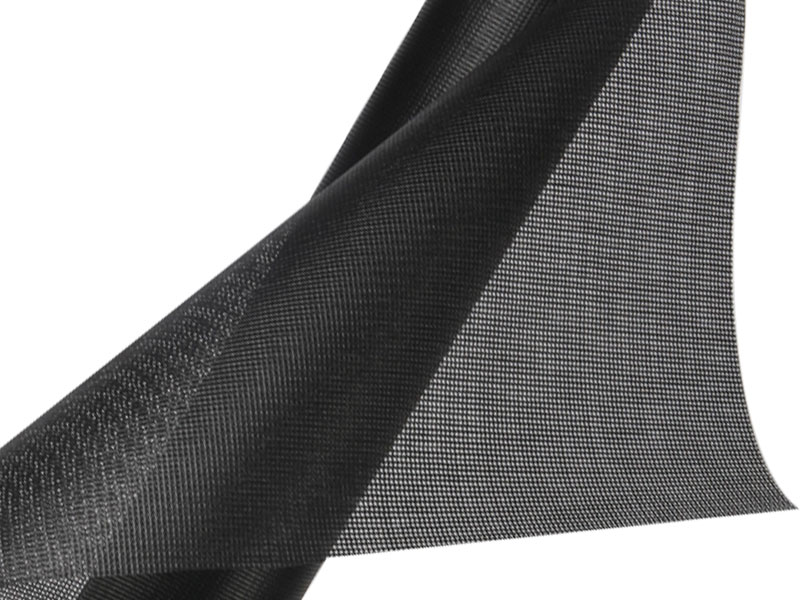
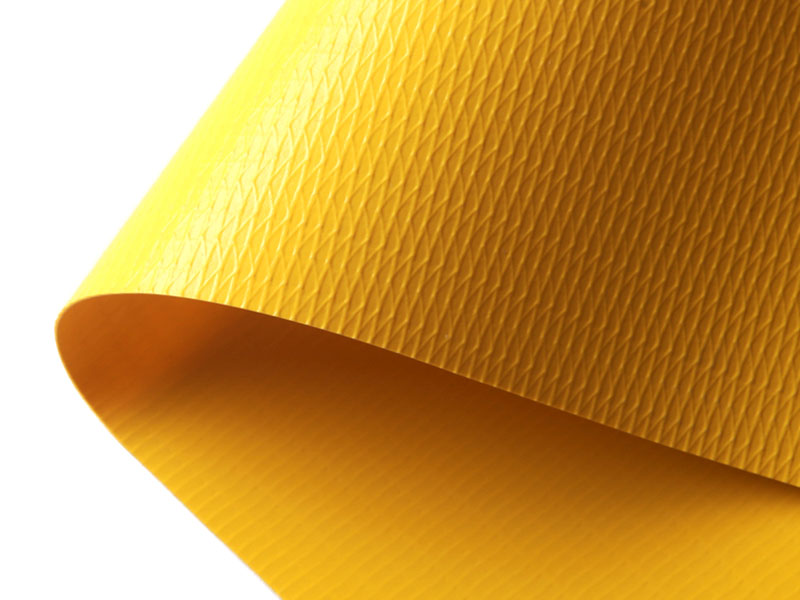
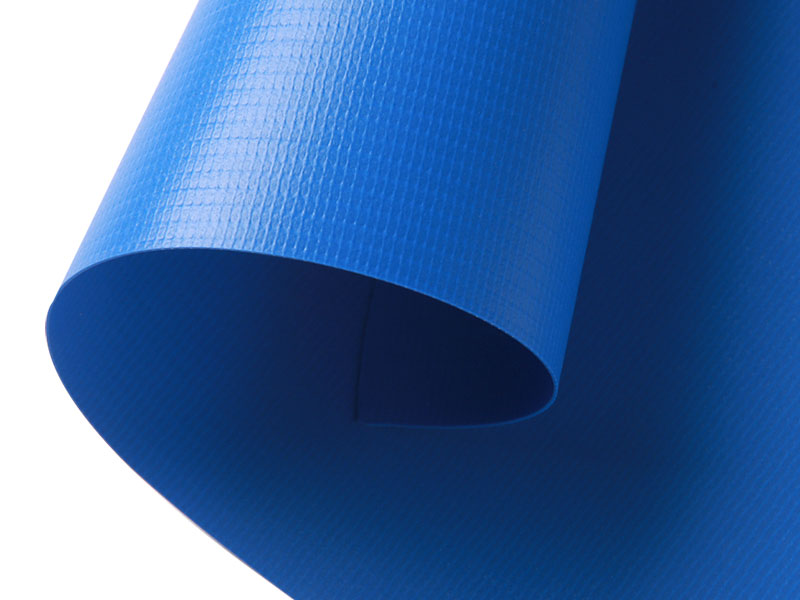
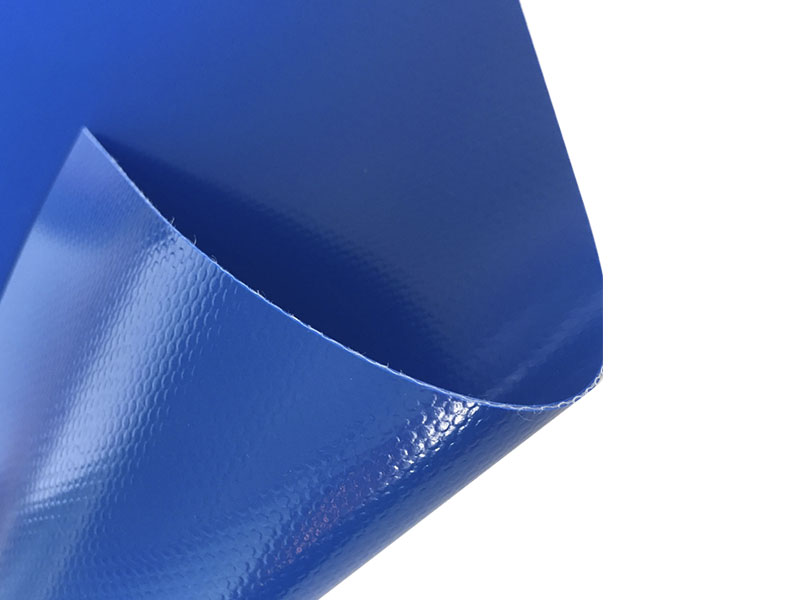
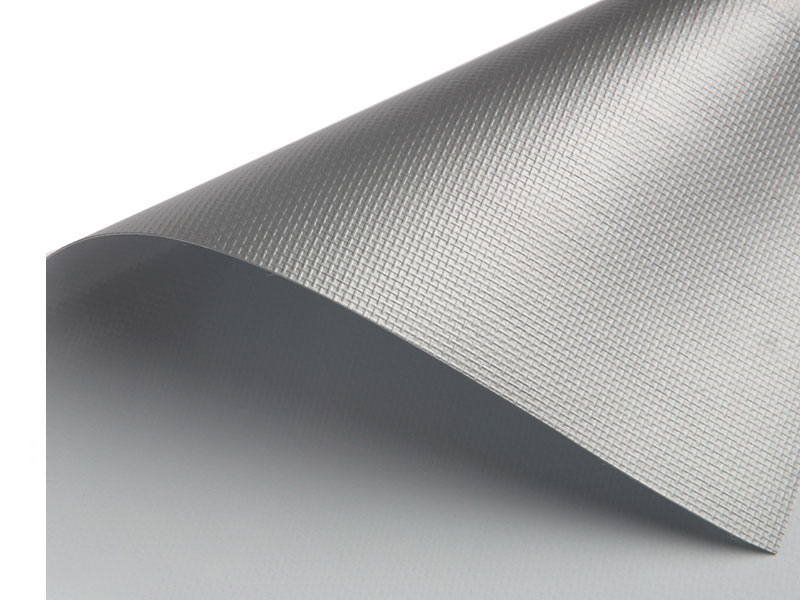
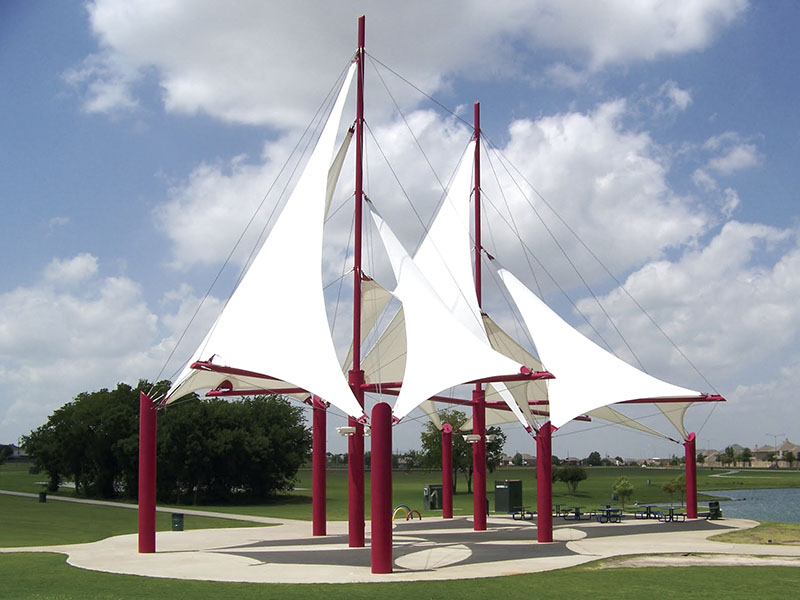
Double-Sided Printable PVC Banner
Double-Sided Printable PVC Banner is a flexible advertising material developed for graphic applications that require printing on both surfaces. Its construction is designed to support front-side and reverse-side printing, allowing businesses to display separate messages, images, or branding in two directions. It can be considered for hanging signs, promotional displays, retail advertising, event graphics, and other applications where visibility from both sides is required.
Material selection depends on the printing technology, ink system, required graphic appearance, installation method, and expected service environment. Buyers should evaluate the banner's surface compatibility, opacity, dimensional stability, tensile properties, and resistance to ink penetration or show-through. These factors help determine whether a particular construction meets the requirements of the finished advertising display.
Designed for independent graphics on both material surfaces.
Construction can be evaluated to reduce unwanted image visibility through the reverse side.
Material specifications can be matched to cutting, finishing, and mounting requirements.
Material Structure for Two-Sided Graphic Applications
Double-sided printable PVC banner materials may use reinforced constructions and surface treatments selected for printing and display requirements. The exact layer arrangement and material composition should be confirmed against the manufacturer's technical specification.
Printable Surface
Surface characteristics influence ink adhesion, print uniformity, color reproduction, and compatibility with the selected printing process.
Supporting Structure
The supporting layer contributes to handling, dimensional stability, and mechanical properties during printing and installation.
Reverse Printable Surface
The opposite surface is prepared for a second graphic, with printing compatibility assessed separately where necessary.
Important Specification Point
A double-sided printable banner should not be selected based on its name alone. Confirm whether both surfaces support the intended ink system and whether the material provides sufficient opacity for the planned graphics.
Properties to Evaluate Before Printing
The following material properties are relevant when comparing double-sided PVC banner rolls for commercial printing and display production.
Influences ink adhesion, image definition, and the consistency of printed graphics.
Printing method, ink compatibility, and surface treatment.
Helps control visibility between the front and reverse graphics.
Light transmission, show-through, and opacity test results.
Affects the appearance of large printed areas and graphic consistency.
Surface defects, coating consistency, and roll-to-roll variation.
Helps maintain material dimensions during printing, finishing, and mounting.
Dimensional change under the relevant processing conditions.
Relevant to handling, tensioning, hanging, and installation.
Tensile strength, tear resistance, and other agreed test values.
Actual properties vary with material formulation, reinforcement, coating structure, and manufacturing specifications. Performance values should be confirmed through technical data and sample testing.
Printing and Converting Considerations
Successful two-sided graphics depend on coordination between the PVC banner material, printing equipment, ink system, and post-printing process.
Surface Compatibility
Check that both sides are compatible with the intended printing technology and ink formulation.
Graphic Registration
Evaluate front-to-back alignment requirements when the two printed graphics need to correspond in position.
Ink Drying and Handling
Confirm suitable drying conditions and handling procedures to reduce smudging, blocking, or surface damage.
Finishing and Installation
Test cutting, hemming, eyelet installation, welding, or other finishing methods required by the display design.
Where Double-Sided PVC Banner Is Used
This material is suitable for consideration in display formats where graphics need to be viewed from opposite directions.
Retail Hanging Displays
Used for promotional banners suspended in shopping areas, stores, and commercial interiors where customers approach from different directions.
Exhibition and Event Graphics
Can be evaluated for event signage, exhibition displays, and suspended promotional graphics requiring two-sided communication.
Street and Commercial Advertising
May be used in selected outdoor display systems when the material's weathering, UV, and mechanical performance meet the installation requirements.
Promotional Hanging Signs
Supports separate promotional messages, branding, or directional information on the two sides of a hanging display.
Inspection Points for Consistent Roll Quality
For printers and advertising material distributors, consistent roll quality helps reduce interruptions during printing and finishing. Inspection criteria should be defined before production.
Thickness and Weight
Verify measured thickness and weight per square meter against the approved specification.
Both-Side Surface Inspection
Check each printable surface for visible defects, contamination, unevenness, and coating irregularities.
Opacity and Print Testing
Evaluate light transmission and conduct printing trials with the intended equipment and ink system.
Roll Dimensions and Packaging
Confirm roll width, length, winding condition, edge condition, and protection during transportation.
What Buyers Should Specify When Requesting a Quotation
Providing clear requirements helps suppliers assess production feasibility and recommend an appropriate material construction.
Material Parameters
Target thickness, GSM, roll width, roll length, and required tolerances.
Printing Requirements
Printing technology, ink type, graphic requirements, and whether both sides use the same or different designs.
Performance Requirements
Opacity, tensile properties, tear resistance, and any required environmental performance.
Supply Requirements
Order quantity, sample requirements, packaging, delivery destination, and expected supply schedule.
Frequently Asked Questions
What is a double-sided printable PVC banner?
It is a PVC-based banner material designed to accept printed graphics on both surfaces. It is commonly considered for hanging signs and display formats that need to communicate information in two directions.
Can different images be printed on the two sides?
Yes, when both surfaces are compatible with the selected printing process. Printing trials should confirm ink adhesion, image quality, and front-to-back registration where alignment is required.
Why is opacity important for double-sided banner material?
Opacity helps limit unwanted visibility of the reverse-side graphic through the front surface. The required level depends on graphic colors, lighting conditions, display distance, and the intended application.
Which printing methods can be used?
Compatibility depends on the surface treatment and material formulation. Buyers should confirm suitability for their specific digital or other printing equipment and ink system through sample testing.
Can the PVC banner be customized in different specifications?
Custom requirements can be discussed for parameters such as thickness, weight, width, roll length, surface characteristics, and packaging, subject to the manufacturer's production capabilities.
Is double-sided printable PVC banner suitable for outdoor use?
Outdoor suitability depends on the material's weathering, UV resistance, temperature performance, and mechanical properties. These requirements should be specified and verified for the intended exposure conditions.