

 English
 中文简体
 русский
 Español
 Français
 عربى
 Português
 हिंदी
 Indonesia
 فارسی
 Tiếng Việt
 Türk



Blackout PVC for Projection Screens
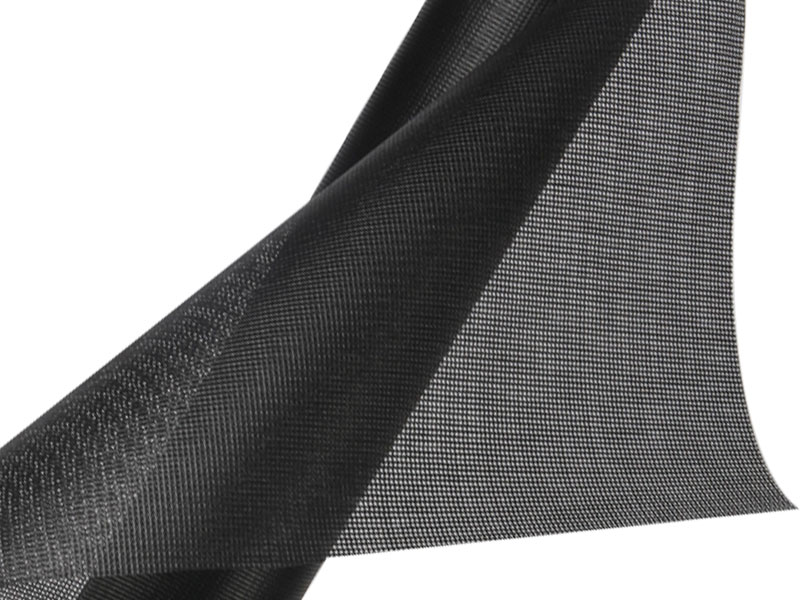
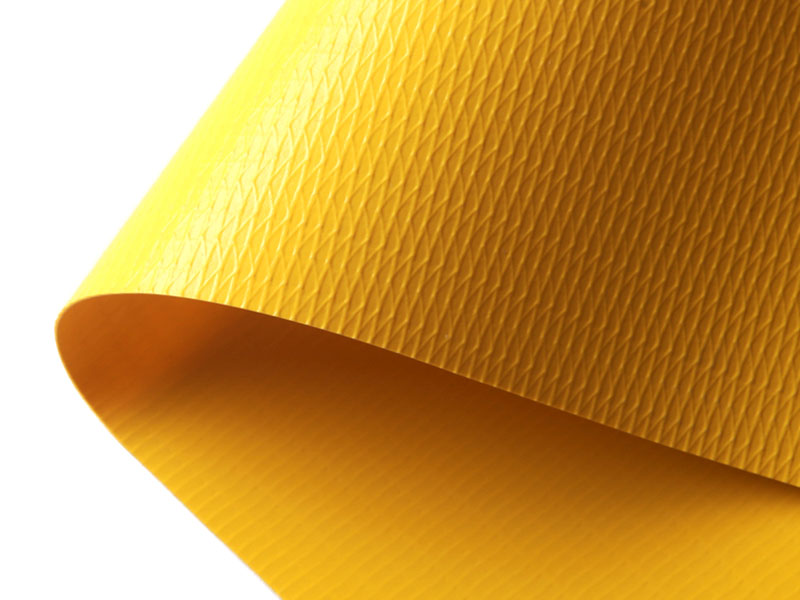
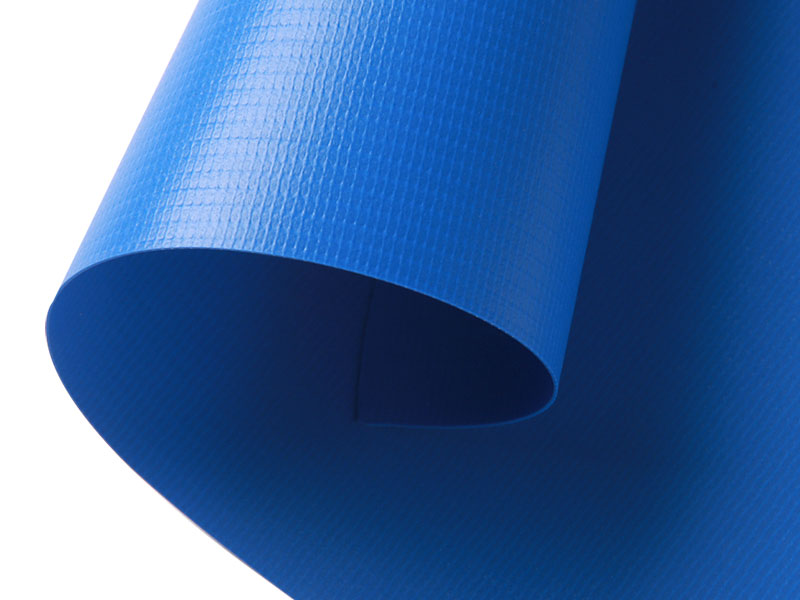
Blackout PVC for projection screens is designed for applications where controlled light transmission and a consistent viewing surface are important. The material can be developed with a PVC-based surface and supporting structure to help limit light penetration from the rear, depending on its construction. It is used in projection screen manufacturing for indoor entertainment, presentation rooms, commercial display systems, and other projection environments.
Material selection involves more than blackout performance. Surface smoothness, opacity, thickness, flexibility, color consistency, and compatibility with screen fabrication processes all affect the finished screen. Different specifications can be evaluated according to screen dimensions, installation methods, projection conditions, and end-use requirements.
Assess opacity and rear-light transmission under defined testing conditions.
Surface QualityReview surface uniformity, texture, and suitability for the intended projection system.
Fabrication CompatibilityConfirm flexibility and processing performance for the required screen construction.
Key Characteristics of Blackout PVC Screen Material
The following characteristics provide a practical framework for evaluating PVC materials used in projection screen production. Actual performance depends on the selected formulation, substrate, coating structure, and manufacturing specifications.
Light Blocking Performance
The blackout construction is intended to reduce light passing through the screen material. Buyers should verify opacity or light transmission using agreed test methods rather than relying on appearance alone.
Surface Uniformity
A consistent surface helps maintain a uniform viewing area. Surface defects, uneven texture, or local variations should be assessed during material inspection and screen fabrication trials.
Flexible Material Construction
PVC-based screen materials can be supplied in flexible constructions for different screen formats. Flexibility, dimensional stability, and handling characteristics should be matched to the installation design.
Processing Adaptability
Depending on the material structure, fabrication may involve cutting, edge finishing, welding, or other joining methods. Compatibility should be confirmed through production trials.
Specifications to Confirm Before Ordering
Projection screen manufacturers and material distributors should define the required specifications before quotation and sample approval.
| Specification | Procurement Considerations |
|---|---|
| Material Composition | PVC formulation, supporting substrate, and overall material construction. |
| Thickness | Required thickness and acceptable production tolerance for the intended screen structure. |
| Weight | Target material weight per square meter and allowable variation between production batches. |
| Light Transmission | Required opacity or light transmission level, together with the applicable test method. |
| Surface Finish | Surface texture, smoothness, color, and visual uniformity under the intended projection conditions. |
| Roll Dimensions | Material width, roll length, winding direction, and packaging requirements. |
| Fabrication Requirements | Compatibility with cutting, joining, edge finishing, and the buyer's screen assembly process. |
Specific values and tolerances should be established through technical confirmation and approved samples. They are not universal properties of all blackout PVC materials.
Applications in Projection Screen Manufacturing
Blackout PVC material can be considered for different screen products when its optical and physical properties match the requirements of the finished system.
Home Theater Screens
Used in screen constructions for residential projection systems where rear-light transmission and a consistent viewing surface need to be controlled.
Conference Room Screens
Applicable to projection screen products installed in meeting rooms, training facilities, and presentation spaces, subject to system requirements.
Commercial Projection Systems
Can be evaluated for indoor entertainment venues and commercial projection installations that require a suitable flexible screen material.
Projection Screen OEM Production
Supplied as a material input for screen manufacturers developing products in different sizes, formats, and installation configurations.
Material Inspection for Consistent Screen Production
For projection screen manufacturers, material consistency affects both fabrication efficiency and finished-product appearance. Inspection requirements should be defined according to the product specification and the buyer's acceptance criteria.
Appearance Inspection
Check for visible marks, surface defects, uneven coloration, and other irregularities.
Dimensional Verification
Measure thickness, width, and other agreed dimensions against the approved specification.
Optical Performance Testing
Evaluate opacity and light transmission using the specified test conditions.
Sample and Batch Comparison
Compare production batches with approved reference samples to monitor material consistency.
Frequently Asked Questions
What does blackout mean in projection screen PVC material?
Blackout refers to the material's ability to restrict light transmission through its construction. The actual performance should be verified through opacity or light transmission testing under defined conditions.
Is blackout PVC suitable for all projection screen systems?
No. Screen suitability depends on the projection system, viewing environment, required optical properties, screen structure, and installation method. Material samples should be tested in the intended system before bulk production.
Can blackout PVC be supplied in different thicknesses and widths?
Available specifications depend on the manufacturer's production range. Buyers should provide target thickness, roll width, weight, and dimensional tolerances for technical evaluation.
Can the material be customized for projection screen manufacturers?
Custom specifications can be discussed according to production feasibility, including material construction, dimensions, surface finish, and packaging. Sample approval is recommended before confirming bulk orders.
What should be checked before mass production?
Confirm optical performance, surface appearance, dimensional stability, fabrication compatibility, and batch consistency. A trial run using the buyer's actual screen-making process can help identify potential production issues.